Kids’ Fashion Guide: Comfortable Clothing, School Outfits, Seasonal Wardrobes, Footwear, Accessories, Safety Tips, and Budget Shopping Advice
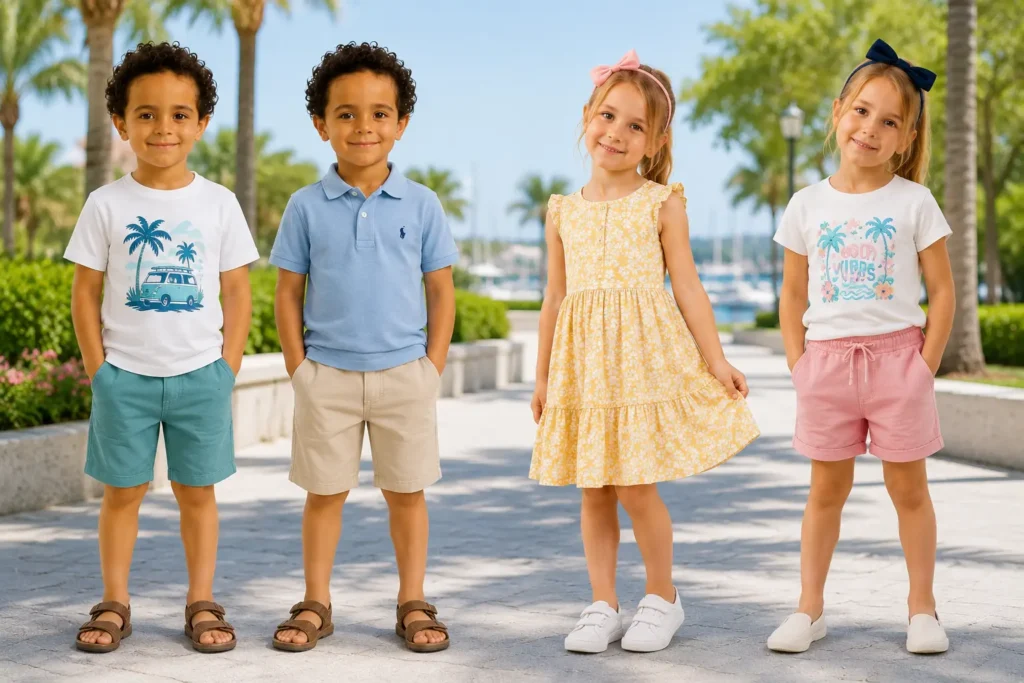
Choosing clothes for children is about much more than style. Kids need outfits that allow them to move freely, stay comfortable throughout the day, and handle everything from classroom activities to outdoor adventures. At the same time, parents often want clothing that looks great, lasts through repeated washing, and fits within a reasonable budget.
Today’s children’s fashion combines comfort, practicality, and personality. From breathable everyday basics to weather-appropriate seasonal wardrobes, parents have countless options for dressing their children without sacrificing quality or affordability.
This guide covers everything you need to know about kids’ fashion, including comfortable clothing, school outfits, seasonal essentials, footwear, accessories, safety considerations, and smart shopping strategies.
Why Comfort Should Always Come First
Children spend their days running, climbing, learning, and playing. Restrictive or uncomfortable clothing can affect their mood, confidence, and ability to participate in daily activities.
Comfortable clothing offers several benefits:
- Better freedom of movement
- Improved concentration at school
- Reduced skin irritation
- Greater confidence
- Easier dressing and undressing
- Longer wear throughout the day
Before focusing on trends or colors, always prioritize how the clothing feels against your child’s skin.
Choosing the Right Fabrics
Fabric plays one of the biggest roles in children’s comfort.
Cotton
Cotton remains one of the best choices for everyday wear because it is:
- Soft
- Breathable
- Gentle on sensitive skin
- Easy to wash
- Durable
Cotton works well for T-shirts, pajamas, dresses, leggings, and underwear.
Organic Cotton
Organic cotton offers similar comfort while reducing exposure to certain chemicals used during conventional farming.
Many parents prefer organic cotton for babies and children with sensitive skin.
Bamboo Fabric
Bamboo fabrics are known for:
- Soft texture
- Moisture-wicking properties
- Breathability
- Natural temperature regulation
These fabrics work well for sleepwear and lightweight clothing.
Fleece
Fleece provides warmth without adding excessive weight.
It’s ideal for:
- Hoodies
- Jackets
- Winter pajamas
- Outdoor layers
Denim
Modern stretch denim offers durability while allowing movement.
Choose jeans with a small amount of elastane or spandex for extra flexibility.
Everyday Clothing Essentials
Every child benefits from a wardrobe built around versatile basics.
Essential everyday items include:
- Plain T-shirts
- Long-sleeve shirts
- Comfortable jeans
- Joggers
- Leggings
- Shorts
- Casual dresses
- Hoodies
- Sweatshirts
- Comfortable pajamas
- Socks
- Underwear
Neutral colors make mixing and matching much easier while colorful pieces add personality.
Building the Perfect School Wardrobe
School outfits should balance comfort, durability, and appearance.
Children often wear school clothes for six to eight hours each day, making quality especially important.
A practical school wardrobe may include:
- Polo shirts
- Uniform pieces (if required)
- Comfortable trousers
- Skirts
- Cardigans
- Hoodies
- Lightweight jackets
- Sneakers
- Rain jackets
Parents should consider keeping duplicate uniforms or favorite items to reduce stress during laundry days.
School Outfit Tips
Choose clothing that children can manage independently.
Look for:
- Elastic waistbands
- Easy zippers
- Large buttons
- Stretch fabrics
- Machine-washable materials
Avoid clothing with complicated fasteners that younger children may struggle to use.
Seasonal Wardrobe Planning
Children grow quickly, making seasonal planning especially important.
Instead of buying an entire wardrobe at once, purchase essentials gradually throughout the year.
Spring Clothing
Spring weather often changes throughout the day.
Good options include:
- Lightweight jackets
- Long-sleeve shirts
- Jeans
- Leggings
- Sneakers
- Light sweaters
Layering allows children to stay comfortable as temperatures change.
Summer Wardrobe
Summer clothing should focus on staying cool.
Essentials include:
- Cotton T-shirts
- Tank tops
- Shorts
- Summer dresses
- Lightweight sandals
- Sun hats
- Swimwear
Light-colored clothing reflects sunlight and helps reduce overheating.
Autumn Essentials
Fall wardrobes should prepare children for cooler mornings and evenings.
Popular items include:
- Hoodies
- Cardigans
- Jeans
- Long-sleeve shirts
- Light boots
- Vests
Layering remains the best strategy during autumn.
Winter Clothing
Winter requires warmth without restricting movement.
Key winter pieces include:
- Insulated jackets
- Thermal shirts
- Sweaters
- Waterproof boots
- Gloves
- Scarves
- Warm hats
- Thick socks
Water-resistant outerwear helps children stay comfortable during rain or snow.
Layering Clothes the Smart Way
Layering provides flexibility throughout changing weather.
A basic layering system includes:
Base layer
A soft cotton or moisture-wicking shirt.
Middle layer
A sweatshirt, hoodie, or sweater for insulation.
Outer layer
A weather-resistant jacket that blocks wind and rain.
Children can remove layers easily if they become too warm.
Choosing the Right Footwear
Healthy feet are essential for growing children.
Shoes should support walking, running, and playing while allowing natural movement.
Important features include:
- Flexible soles
- Good grip
- Breathable materials
- Proper arch support
- Lightweight construction
- Secure closures
Avoid buying shoes that are significantly larger than your child’s feet in hopes they will “grow into them.”
Oversized shoes can increase the risk of falls.
Types of Kids’ Footwear
Sneakers
Sneakers remain the most versatile choice.
They’re suitable for:
- School
- Sports
- Outdoor play
- Family outings
Sandals
Choose sandals with:
- Adjustable straps
- Non-slip soles
- Cushioned footbeds
Avoid flip-flops for extended walking.
Boots
Rain boots should be waterproof.
Winter boots should provide:
- Warm insulation
- Waterproof protection
- Strong grip
Dress Shoes
Special occasions call for dress shoes, but comfort should remain a priority.
Children rarely enjoy wearing stiff formal shoes for long periods.
Fashion Accessories for Kids
Accessories complete an outfit while offering practical benefits.
Useful accessories include:
Hats
Sun hats protect against UV rays during warmer months.
Beanies keep children warm in winter.
Backpacks
Choose backpacks with:
- Padded shoulder straps
- Lightweight construction
- Multiple compartments
- Comfortable fit
The backpack should not exceed around 10–15% of a child’s body weight when packed.
Hair Accessories
Hairbands, clips, and scrunchies help keep hair neat during school and sports.
Sunglasses
Children’s sunglasses should provide proper UV protection while fitting securely.
Gloves and Scarves
Cold-weather accessories help prevent discomfort during outdoor activities.
Prioritizing Safety in Kids’ Fashion
Safety is just as important as style.
Parents should watch for potential clothing hazards.
Avoid Loose Drawstrings
Long drawstrings around the neck can become caught on playground equipment.
Choose safer alternatives whenever possible.
Check Small Decorations
Buttons, beads, sequins, and decorative pieces should be securely attached, especially for younger children.
Loose decorations may become choking hazards.
Reflective Clothing
Reflective strips improve visibility during early mornings, evenings, or rainy weather.
This is especially useful for children who walk or bike to school.
Flame-Resistant Sleepwear
Follow clothing safety recommendations for pajamas and sleepwear, particularly for younger children.
Proper Fit
Clothing should never be so loose that it creates tripping hazards.
Likewise, overly tight clothing can restrict circulation and movement.
Encouraging Children’s Personal Style
Fashion allows children to express their personalities.
Parents can encourage independence by allowing children to choose:
- Favorite colors
- Fun graphics
- Accessories
- Shoes
- Seasonal outfits
Offering two or three parent-approved options helps younger children make choices without becoming overwhelmed.
Budget-Friendly Shopping Tips
Dressing growing children doesn’t have to be expensive.
Smart shopping helps families save money while maintaining quality.
Buy During End-of-Season Sales
Retailers often offer significant discounts when clearing seasonal inventory.
Buying next year’s winter coat during spring sales can lead to major savings.
Focus on Basics
Invest more in:
- Jeans
- School uniforms
- Jackets
- Shoes
Save money on trendy items that children may only wear briefly.
Shop Multipacks
Buying socks, T-shirts, underwear, and leggings in multipacks often lowers the cost per item.
Mix Premium and Budget Pieces
A balanced wardrobe might include:
- Durable premium shoes
- Mid-range jackets
- Affordable everyday basics
This strategy stretches your clothing budget while maintaining quality where it matters most.
Consider Second-Hand Clothing
Many children’s clothes remain in excellent condition because kids outgrow them quickly.Consignment stores, community sales, and trusted online marketplaces often provide excellent value.
Accept Hand-Me-Downs
Clothing passed down between siblings or relatives can significantly reduce yearly clothing expenses.Inspect each item carefully for wear before adding it to your child’s wardrobe.
Choosing the Right Size
Children grow at different rates.
Instead of relying solely on age labels:
- Measure height
- Measure chest
- Measure waist
- Measure foot length
Compare these measurements with each brand’s size guide.
Trying clothes on whenever possible leads to better-fitting purchases.
Caring for Kids’ Clothing
Proper care extends the life of children’s wardrobes.
Helpful habits include:
- Wash similar colors together.
- Follow garment care labels.
- Treat stains promptly.
- Avoid excessive heat when drying.
- Fold knitwear instead of hanging.
- Repair loose seams early.
Simple maintenance can keep clothing looking newer for much longer.
Creating a Capsule Wardrobe for Kids
A capsule wardrobe simplifies daily dressing while reducing unnecessary purchases.
An example might include:
- 8–10 tops
- 5–6 bottoms
- 2 jackets
- 2 hoodies
- 2 pairs of shoes
- 1 pair of boots
- Several pairs of socks
- Undergarments
- Seasonal accessories
Most pieces should coordinate easily with one another.
This approach minimizes clutter while maximizing outfit combinations.
Common Fashion Mistakes Parents Should Avoid
Some purchasing habits can lead to wasted money or uncomfortable clothing.
Avoid:
- Buying shoes that are far too large
- Choosing style over comfort
- Ignoring fabric quality
- Purchasing too many trendy pieces
- Forgetting seasonal needs
- Skipping clothing labels
- Buying excessive quantities before growth spurts
A thoughtful wardrobe usually costs less in the long run than constantly replacing poor-quality items.
Helping Kids Learn Clothing Responsibility
Fashion also teaches responsibility.
Encourage children to:
- Fold their clothes
- Organize drawers
- Place dirty clothes in laundry baskets
- Hang jackets properly
- Put away shoes after use
These simple habits help clothing last longer while building independence.
Conclusion
Kids’ fashion is most successful when it balances comfort, durability, safety, and personal style. A thoughtfully planned wardrobe helps children stay comfortable at school, enjoy active play, adapt to changing seasons, and express their individuality without placing unnecessary strain on the family budget.
By selecting breathable fabrics, properly fitting footwear, practical accessories, and weather-appropriate clothing, parents can build wardrobes that support healthy growth and active lifestyles. Combined with smart shopping habits and good clothing care, these choices ensure children look and feel their best every day while keeping costs under control.