Signs Your Attic Ventilation Is Hurting Energy Efficiency
Many homeowners focus on insulation, windows, and heating or cooling systems when trying to improve energy efficiency, but the attic is often overlooked. A poorly ventilated attic can quietly increase energy bills, reduce indoor comfort, and create long-term problems for the entire home.
Attic ventilation plays an important role in controlling temperature, moisture, and airflow. When ventilation is working correctly, it allows hot air and excess moisture to escape while helping your home maintain a more stable indoor temperature. However, when vents are blocked, poorly designed, or insufficient, your attic can become a major source of energy waste.
Understanding the warning signs of poor attic ventilation can help homeowners identify problems early and avoid expensive repairs.
Your Energy Bills Keep Increasing Without Major Changes
One of the first signs that your attic ventilation may be affecting energy efficiency is a noticeable increase in heating or cooling costs.
During hot months, an improperly ventilated attic can trap large amounts of heat. The temperature inside the attic can become much higher than the outdoor temperature, causing heat to transfer downward into living spaces. As a result, your air conditioning system has to work harder and run longer to maintain comfortable temperatures.
In colder seasons, poor ventilation can also create problems. Moist air trapped in the attic may reduce insulation performance, making it harder for your heating system to keep your home warm.
If your energy usage habits have stayed the same but your utility bills continue rising, your attic ventilation system may need inspection.
Your Upper Floors Feel Too Hot in Summer
A common complaint among homeowners with attic ventilation problems is that the second floor or rooms directly below the attic become uncomfortable during warm weather.
When hot air cannot escape properly, it builds up above your ceiling. This trapped heat slowly transfers into bedrooms and other upper-level areas, creating uneven temperatures throughout the home.
You may notice that:
- Upstairs rooms are warmer than downstairs areas
- Some rooms require more air conditioning than others
- Cooling systems struggle during afternoon hours
- Fans and air conditioners run continuously
A properly ventilated attic helps remove excess heat before it affects your living space.
Moisture or Condensation Appears in the Attic
Ventilation is not only about temperature control. It also plays a major role in managing moisture.
Everyday activities such as cooking, showering, washing clothes, and breathing release moisture into the air. Some of this moisture can travel into the attic if air leaks exist between your living space and attic area.
When ventilation is inadequate, moisture may become trapped and lead to:
- Condensation on roof surfaces
- Damp insulation
- Mold growth
- Wood deterioration
- Unpleasant odors
Moisture problems can reduce insulation effectiveness and force your heating and cooling systems to use more energy.
Your Roof Shingles Are Aging Faster Than Expected
Poor attic ventilation can also affect the lifespan of your roofing materials.
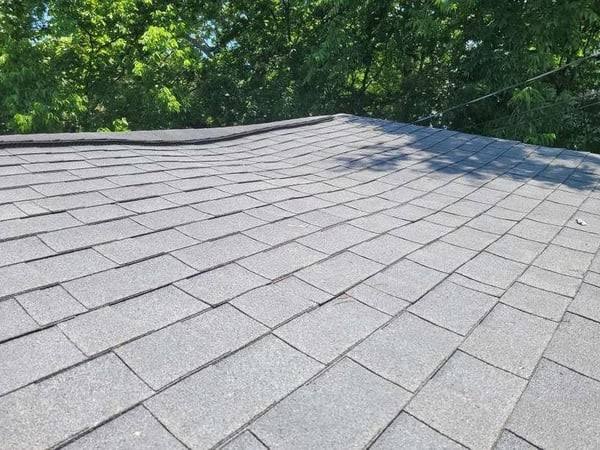
During hot weather, excessive attic heat can raise roof temperatures significantly. This extra heat can cause roofing materials to age faster, leading to cracked, curled, or damaged shingles.
A roof that wears out earlier than expected may indicate that heat and moisture are not being properly managed inside the attic.
While roof age and weather conditions also affect durability, ventilation should always be considered when investigating premature roof damage.
Insulation Looks Wet, Compressed, or Damaged
Insulation is one of the most important parts of an energy-efficient home, but it cannot perform properly when attic conditions are poor.
Wet insulation loses much of its ability to slow down heat transfer. Over time, moisture exposure can cause insulation to compress, separate, or develop mold issues.
During an attic inspection, look for:
- Dark stains on insulation
- Wet or heavy areas
- Uneven insulation coverage
- Signs of mold or mildew
If insulation problems are caused by poor ventilation, replacing insulation alone will not solve the underlying issue.
Your Attic Feels Extremely Hot or Stuffy
A simple inspection can reveal a lot about your attic’s ventilation performance.
On a hot day, carefully checking the attic environment can provide clues. While attics naturally become warmer than outdoor temperatures, an extremely hot and stagnant space may indicate poor airflow.
Common causes include:
- Blocked soffit vents
- Too few roof vents
- Incorrect vent placement
- Damaged ventilation components
- Insulation covering ventilation channels
A balanced ventilation system needs both intake and exhaust airflow. Air should enter through lower areas, such as soffit vents, and leave through higher areas, such as ridge vents or roof vents.
Ice Dams Form on Your Roof During Winter
In colder climates, ice dams can be a warning sign of attic ventilation and insulation issues.
Ice dams happen when heat escapes from the living area into the attic, warming parts of the roof. Snow melts in those warmer sections and refreezes near colder roof edges.
This cycle can create ice buildup that blocks proper drainage and may cause water to leak into the home.
Although insulation and air sealing are also important factors, proper attic ventilation helps maintain more consistent roof temperatures.
Your HVAC System Works Harder Than Normal
Your heating and cooling system provides important clues about your home’s energy performance.
If your HVAC system:
- Runs longer than before
- Struggles to reach the desired temperature
- Requires frequent repairs
- Creates uneven comfort levels
the problem may not always be the equipment itself. Poor attic conditions can increase the workload on your HVAC system by allowing unwanted heat transfer between the attic and living areas.
Improving attic ventilation can reduce unnecessary strain and improve overall efficiency.
How to Improve Attic Ventilation
If you notice signs of poor attic ventilation, the solution depends on your home’s design and current ventilation setup.
Common improvements include:
Check and Clear Existing Vents
Leaves, dust, insulation, and debris can block airflow. Make sure soffit and roof vents are open and functioning properly.
Install Additional Ventilation When Needed
Some homes may need more intake or exhaust ventilation. A professional inspection can determine whether additional vents are necessary.
Maintain Proper Insulation Placement
Insulation should not block airflow paths near vents. Ventilation channels or baffles can help maintain clear airflow between the roof and insulation.
Seal Air Leaks
Air leaks from living areas into the attic can increase moisture and heat transfer. Sealing gaps around lights, pipes, and electrical openings can improve energy performance.
Final Thoughts
Attic ventilation is an important but often ignored part of creating an energy-efficient home. Rising energy costs, uncomfortable upper floors, moisture issues, damaged roofing materials, and overworked HVAC systems can all be signs that your attic airflow needs attention.
A well-designed ventilation system does more than control attic temperature. It protects insulation, supports roof longevity, improves indoor comfort, and helps reduce unnecessary energy use.
Regular attic inspections and proper maintenance can help homeowners identify ventilation problems before they turn into expensive repairs. By keeping your attic healthy, you also make your entire home more efficient and comfortable throughout the year.