Choosing Between Mineral Wool and Fiberglass for Interior Wall Insulation
When improving a home’s comfort and energy efficiency, insulation is one of the most important decisions homeowners need to make. Proper insulation helps maintain indoor temperatures, reduce energy bills, control noise, and improve the overall living experience. However, choosing the right insulation material can be confusing, especially when comparing two popular options: mineral wool and fiberglass.
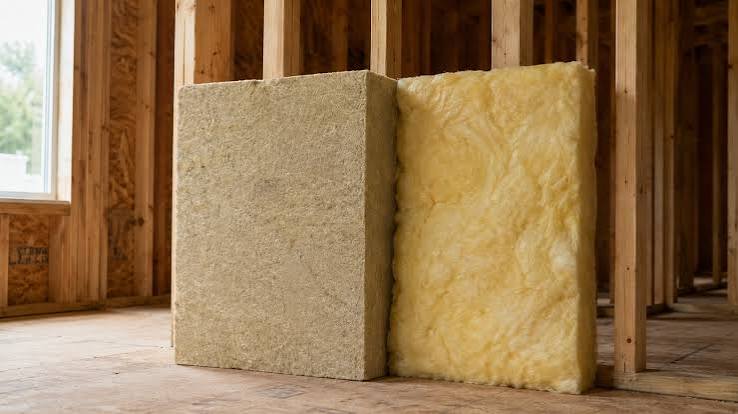
Both mineral wool and fiberglass are widely used for interior wall insulation because they are affordable, practical, and suitable for many residential projects. While they may look similar at first glance, they have important differences in performance, installation, durability, moisture resistance, fire protection, and cost.
Understanding how these materials compare can help homeowners, builders, and DIY renovators select the best option for their specific needs.
What Is Mineral Wool Insulation?
Mineral wool, also known as rock wool or stone wool, is an insulation material made from natural rock materials such as basalt and industrial minerals. These materials are heated at extremely high temperatures, melted, and spun into dense fibers that create insulation boards or batts.
Because of its dense structure, mineral wool provides excellent thermal resistance while also offering strong soundproofing and fire-resistant properties.
Mineral wool is commonly used in:
- Interior wall cavities
- Exterior wall systems
- Basement walls
- Ceilings
- Commercial buildings
- Areas requiring higher fire protection
Its durability and density make it a popular choice for homeowners looking for long-lasting insulation performance.
What Is Fiberglass Insulation?
Fiberglass insulation is one of the most common insulation materials used in residential construction. It is made from extremely fine glass fibers that are formed into rolls, batts, or loose-fill insulation.
Fiberglass became popular because it is inexpensive, widely available, and relatively easy to install. It is frequently used in new homes, renovations, attics, walls, and crawl spaces.
Fiberglass insulation is available in different thicknesses and ratings, allowing homeowners to choose products based on their climate and energy efficiency goals.
Mineral Wool vs Fiberglass: Thermal Performance
One of the main reasons homeowners install insulation is to improve energy efficiency. Both mineral wool and fiberglass can provide good thermal protection, but their performance can vary depending on the product quality and installation method.
Mineral wool generally has a slightly higher density, which helps it maintain insulation performance in different conditions. It can also perform well in areas where temperature changes are significant.
Fiberglass offers excellent thermal resistance when properly installed. However, gaps, compression, or poor fitting around wall cavities can reduce its effectiveness.
The most important factor is not only the insulation material but also how correctly it is installed.
Soundproofing Differences
Noise control has become an increasingly important factor in modern homes, especially in bedrooms, home offices, apartments, and entertainment spaces.
Mineral wool usually performs better for sound absorption because of its heavier and denser structure. It can help reduce the transfer of voices, traffic sounds, and noise between rooms.
Fiberglass can also improve sound control, but it typically does not block sound as effectively as mineral wool.
For homeowners creating a quiet environment, mineral wool may be the better choice, especially for interior partition walls.
Fire Resistance and Safety
Fire protection is another area where insulation materials differ significantly.
Mineral wool is naturally resistant to fire because it is made from stone-based materials. It can withstand extremely high temperatures and does not easily burn. This makes it a preferred choice in buildings where fire safety is a major concern.
Fiberglass is also non-combustible, but the paper or foil backing used on some products may affect fire performance. Always check the product specifications before installation.
For homes located in areas with wildfire risks or for projects requiring stronger fire protection, mineral wool can provide additional peace of mind.
Moisture Resistance and Durability
Moisture can damage insulation performance and contribute to mold problems if not properly managed.
Mineral wool naturally resists water absorption because its fibers do not easily hold moisture. However, it is not completely waterproof and still requires proper moisture management.
Fiberglass also does not absorb water easily, but when it becomes wet, it can lose much of its insulating ability until it dries completely.
In areas with higher humidity or possible moisture exposure, homeowners should consider the surrounding building conditions, ventilation, and moisture barriers along with the insulation choice.
Installation Process: Which Is Easier?
Fiberglass is often considered easier for beginners because it is lightweight, flexible, and available almost everywhere. Many DIY homeowners choose fiberglass batts because they can cut and fit them into standard wall cavities.
Mineral wool is more rigid and dense, which can actually make installation easier in some situations. Its firmness allows pieces to stay in place without sagging, and it can often be cut more precisely.
However, mineral wool can be heavier and slightly more difficult to handle compared to fiberglass.
Regardless of the material, wearing protective equipment such as gloves, eye protection, and a mask is recommended during installation.
Cost Comparison
Budget is often a major factor in insulation decisions.
Fiberglass is usually the more affordable option. Its lower material cost makes it popular for large residential projects where keeping expenses controlled is important.
Mineral wool typically costs more because of its manufacturing process and higher density. However, many homeowners consider the additional cost worthwhile because of its advantages in sound control, durability, and fire resistance.
The best choice depends on whether the project focuses mainly on saving money upfront or achieving stronger long-term performance.
Environmental Considerations
Many homeowners are becoming more interested in sustainable building materials.
Mineral wool can contain recycled materials and has a long lifespan, meaning it may not need replacement for many years. Its durability can reduce waste over time.
Fiberglass also includes recycled glass content in many products and remains one of the most widely used insulation materials because of its efficiency and affordability.
When choosing insulation, homeowners should consider the complete lifecycle of the product, including manufacturing, installation, performance, and disposal.
Which Insulation Is Better for Interior Walls?
The right choice depends on your priorities.
Choose mineral wool if you want:
- Better sound reduction
- Stronger fire resistance
- Higher density insulation
- Long-term durability
- Premium performance
Choose fiberglass if you want:
- Lower installation costs
- Easy availability
- A budget-friendly solution
- A simple DIY-friendly option
Both materials can improve a home’s comfort when installed correctly.
Final Thoughts
Mineral wool and fiberglass are both reliable insulation choices for interior walls, but they serve different homeowner needs. Fiberglass remains a practical and affordable solution for many residential projects, while mineral wool offers additional benefits in areas such as sound control, fire resistance, and durability.
Before making a decision, consider your home’s location, climate, budget, noise concerns, and long-term goals. A well-installed insulation system can improve comfort, reduce energy waste, and add value to your property for many years.