Gait Analysis: Coaching Techniques for Efficient Running Form
xr:d:DAFm7iTU46I:18,j:3218216586536695239,t:23062615
Why Running Form Matters More Than Speed
Many runners believe that running faster automatically means running better. In reality, how a person moves matters just as much as how fast they go. Poor running form can waste energy, slow progress, and increase the risk of injury. This is why understanding gait is so important for runners at every level.
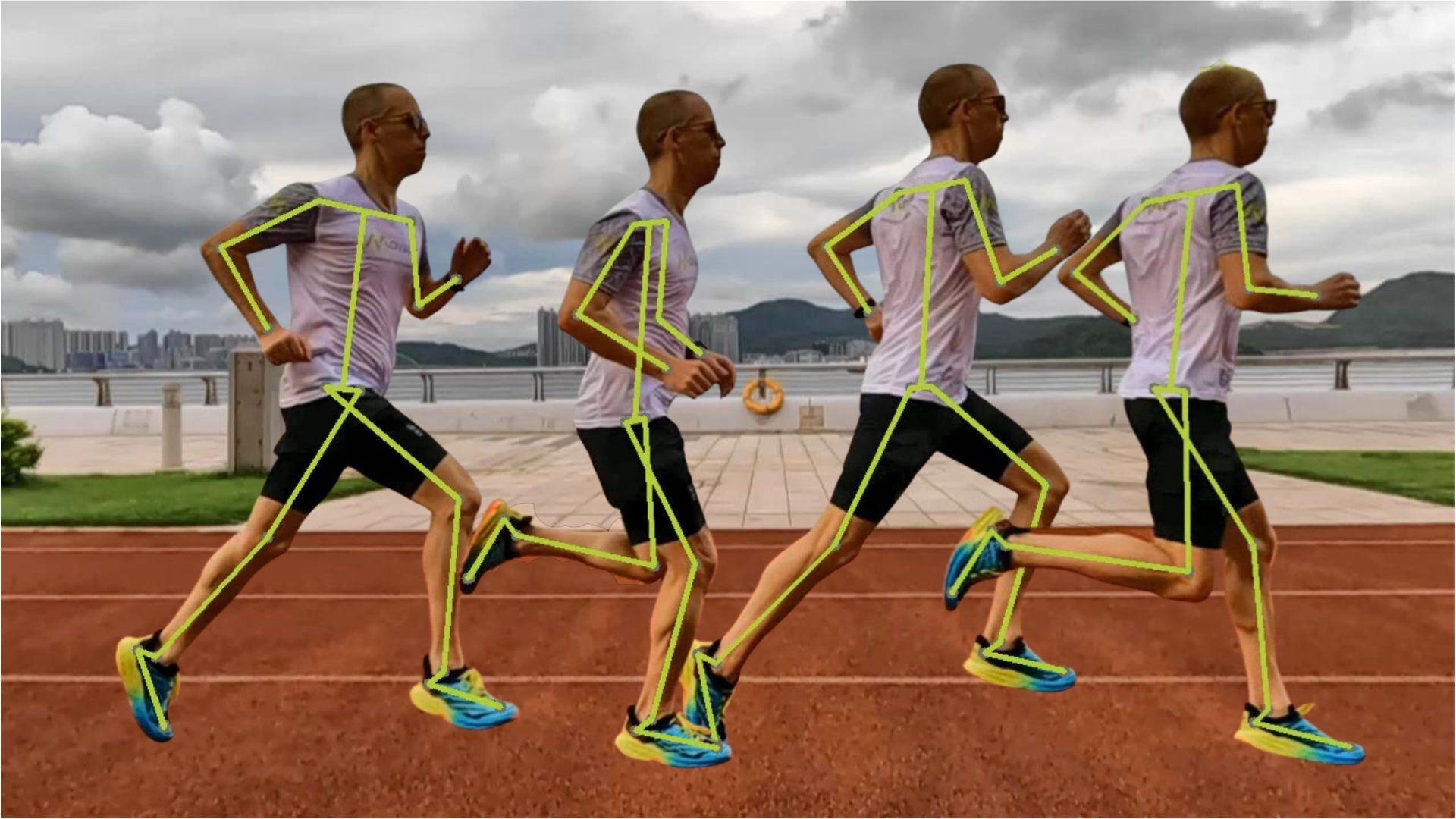
Gait analysis looks at how the body moves while running. It focuses on posture, foot strike, stride, and overall coordination. Small movement issues can create stress on joints and muscles over time. When coaches understand these patterns, they can help runners move more efficiently and comfortably.
This article explains the basics of gait analysis, common running form issues, and coaching techniques that support smoother and safer running.
Understanding What Gait Analysis Really Is
Gait analysis is the process of observing how a runner moves from head to toe. It helps identify movement habits that may limit performance or cause discomfort. This does not require complex equipment. Careful observation and basic knowledge are often enough.
A coach may look at:
- Head and shoulder position
- Arm swing and balance
- Hip stability and alignment
- Foot strike and push off
- Stride length and cadence
By understanding these elements, coaches can guide runners toward more natural and efficient movement.
Key Elements of Efficient Running Form
Efficient running form allows the body to move forward with less effort. It reduces wasted motion and supports steady breathing and rhythm.
Important elements include:
- Upright posture with relaxed shoulders
- Arms swinging close to the body
- Stable hips with minimal side movement
- Feet landing under the body, not far ahead
- Smooth and consistent stride pattern
When these pieces work together, runners often feel lighter and more controlled during their runs.
Common Running Gait Issues to Watch For
Many runners develop habits that limit efficiency without realizing it. These issues often come from muscle weakness, tightness, or poor movement awareness.
Common problems include:
- Overstriding, which increases impact stress
- Excessive upper body tension
- Weak hip control causing side to side motion
- Heavy heel striking with poor control
- Uneven stride between left and right sides
Identifying these patterns early helps prevent long term discomfort and performance plateaus.
Simple Coaching Cues That Make a Big Difference
Coaching does not need to be complicated. Simple cues often create quick improvements when explained clearly.
Helpful cues include:
- Run tall with your chest open
- Keep arms relaxed and swinging naturally
- Land softly and quietly
- Keep steps quick and light
- Focus on smooth breathing
Clear language and simple reminders help runners stay focused without overthinking their movement.
How Strength and Mobility Affect Gait
Running form is strongly influenced by strength and flexibility. Weak or tight muscles can change how the body moves without the runner noticing.
Areas that often affect gait include:
- Hips and glutes for stability
- Ankles for push off control
- Core muscles for posture
- Calves and hamstrings for stride efficiency
Coaches should encourage balanced training that supports both strength and mobility. This helps runners maintain good form even when tired.
Using Observation to Guide Improvements
Observation is one of the most valuable tools for coaches. Watching a runner from the side and from behind reveals important movement details.
Coaches can:
- Record short running clips for review
- Compare movement patterns over time
- Focus on one correction at a time
- Give feedback during short running intervals
Too many corrections at once can overwhelm runners. Gradual changes lead to better results.
Teaching Runners to Feel Their Movement
Body awareness helps runners make lasting improvements. When runners learn to feel how they move, they can self correct during training.
Ways to build awareness include:
- Short technique focused runs
- Barefoot drills on safe surfaces
- Slow jogging with form focus
- Mindful breathing during runs
These methods help runners connect with their movement instead of relying only on external feedback.
Coaching Different Types of Runners
Every runner is different. Beginners may struggle with posture and coordination. Experienced runners may have habits formed over many years.
Coaches should adjust their approach based on:
- Running experience
- Injury history
- Fitness level
- Training goals
Understanding individual needs allows coaches to give more effective and supportive guidance.
Building Professional Skills Through Education
Learning how to analyze gait builds confidence and credibility as a coach. Education helps professionals understand biomechanics, movement patterns, and coaching communication.
Many coaches strengthen their skills through programs like Running Coach Certification, which provide structured knowledge on running mechanics and client assessment. This education supports safer training and better long term outcomes for runners.
Strong knowledge allows coaches to explain corrections clearly and answer client questions with confidence.
Encouraging Long Term Form Improvement
Running form does not change overnight. It takes patience and consistent practice. Coaches should set realistic expectations and celebrate small improvements.
Encouragement strategies include:
- Tracking progress over time
- Focusing on comfort, not perfection
- Reinforcing positive changes
- Reminding runners why form matters
Positive reinforcement keeps runners motivated and engaged.
Final Thoughts on Coaching Efficient Running Form
Efficient running starts with understanding how the body moves. Gait analysis gives coaches the tools to spot issues and guide better movement. With simple observation, clear cues, and supportive coaching, runners can improve form without stress or confusion.
Education plays a key role in developing these skills. Programs such as Running Coach Certification help coaches apply gait analysis with confidence and clarity. When runners move more efficiently, they often run with less effort, greater comfort, and more enjoyment.